That Tree Looked Fine — So Why Did It Fall?
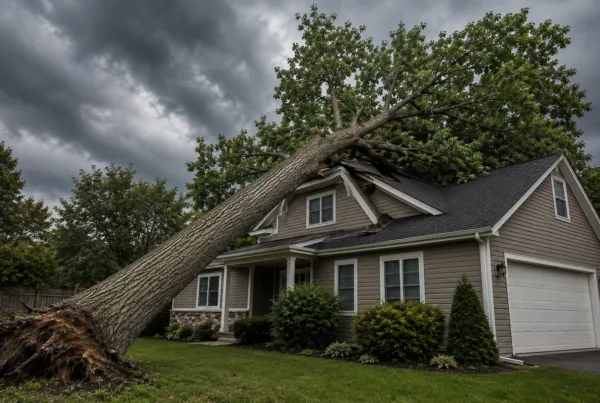
It’s one of the most unsettling calls a homeowner or property manager ever makes: a tree came down overnight, and nobody saw it coming. No obvious lean, no visible rot — just a fallen tree and a lot of damage.
The truth is, most tree failures don’t happen out of nowhere. They build silently over months or years. Understanding the most common causes of tree failure can help you spot problems early and avoid costly — or dangerous — surprises.

What Actually Causes a Tree to Fail?
Tree failure rarely comes down to a single factor. It’s usually a combination of structural weaknesses, environmental stress, and missed warning signs. Here’s what’s happening beneath the surface.
1. Root Damage and Root Rot
The root system is the foundation of any tree. When roots are compromised, the entire tree is at risk — even if it looks perfectly healthy from 10 feet away.
Root damage can come from construction activity, compacted soil, grade changes, or repeated lawn equipment strikes. Root rot caused by fungal pathogens quietly destroys the structural roots that anchor the tree in the ground.
Signs of root problems to watch for:
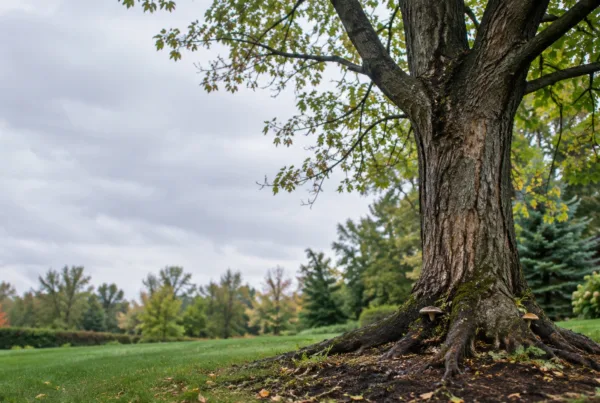
- Mushrooms or conks growing at the base of the tree
- Soil heaving on one side of the trunk
- A noticeable lean that developed recently
- Thin or dying canopy despite adequate water
2. Internal Decay
A tree can look lush and full while being completely hollow inside. Decay fungi enter through wounds — pruning cuts, storm damage, or broken branches — and slowly hollow out the heartwood.
By the time decay is visible on the outside (soft wood, cavities, or weeping wounds), the internal damage is often severe. A decayed trunk has significantly less load-bearing capacity, making failure under wind, ice, or snow much more likely.
3. Structural Defects
Some trees are set up to fail from the start. Codominant stems — two or more main trunks growing from the same point — create a weak V-shaped union. Over time, bark gets trapped between the stems, creating an “included bark” junction that can split apart under stress.
Other structural red flags include:
- Cracks running along the trunk or through major limbs
- Hangers (broken branches still lodged in the canopy)
- Excessive end weight on long, horizontal limbs
- Crown asymmetry that puts uneven load on the root plate
4. Soil and Site Conditions
Where a tree grows matters just as much as how it grows. Trees planted in poorly drained soil, compacted urban fill, or shallow topsoil over rock often develop shallow, weakened root systems that can’t anchor them properly.
Waterlogged soil is particularly dangerous in storm conditions — saturated ground offers far less resistance when a tree starts to sway. This is one of the key reasons why trees fall during storms even when they appear healthy: the roots simply can’t hold under dynamic wind load.
5. Pest and Disease Pressure
Insects like the emerald ash borer and bronze birch borer kill trees from the inside out by disrupting the flow of water and nutrients. Disease pathogens weaken wood tissue and reduce the tree’s ability to compartmentalize wounds.
A stressed or pest-damaged tree is structurally compromised long before it shows outward decline — and those weakened tissues are exactly where failures start.
Why Trees Fall During Storms (Even Healthy-Looking Ones)
Wind loading, ice accumulation, and saturated soil are the three main forces that expose hidden weaknesses. A tree that’s been slowly decaying or losing root mass may stand for years — right up until a significant storm puts it under real mechanical stress.
The combination of a heavy canopy, a compromised root plate, and wet soil can bring down a large tree in moderate winds. That’s why causes of tree failure are so often identified after the fact: the storm didn’t cause the problem, it revealed one that already existed.
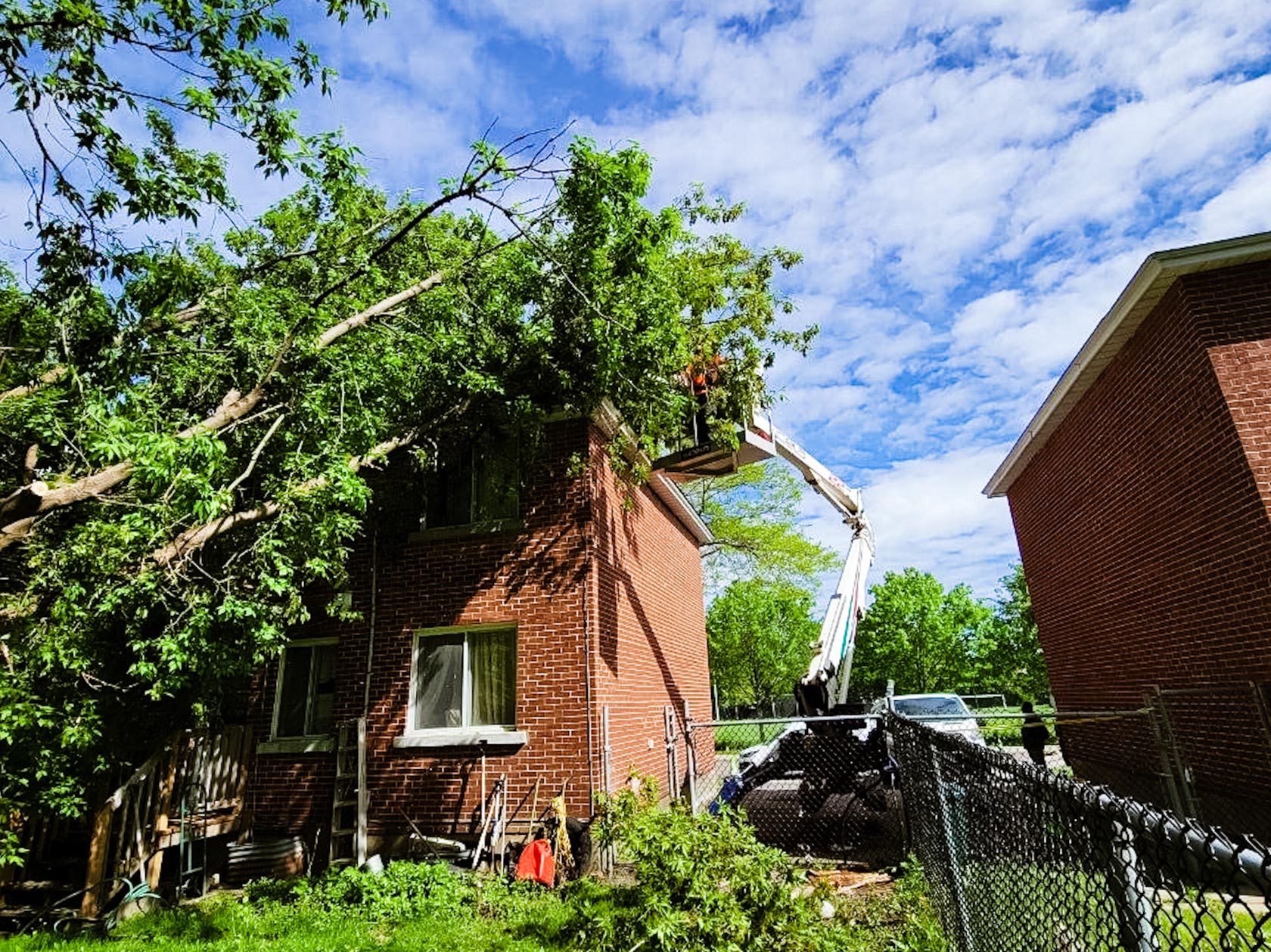
If a tree on your property has come down or is showing signs of structural weakness, VS Tree’s emergency response team is available to help assess and address the situation safely.
Warning Signs You Shouldn’t Ignore
Before a tree fails, it usually gives some indication that something is wrong. Watch for:
- Dead wood in the crown — large dead branches are heavy and unpredictable
- Epicormic shoots (water sprouts) along the trunk — often a stress response
- Bark abnormalities — deep cracks, missing bark, or areas that sound hollow when tapped
- Leaning that has changed — a sudden or progressive lean is a serious red flag
- Fungal growth — conks or shelf fungi at the base or along the trunk signal decay
If you’re noticing any of these on trees near your home, outbuildings, or public areas of a commercial property, it’s worth having a certified arborist take a look before the next storm season.
FAQ: Tree Failure
Can a tree fail without any visible warning signs? Yes, but it’s less common than most people think. Internal decay and root problems often produce subtle external signs — a thinning canopy, fungal growth, or minor leaning — that go unnoticed until failure occurs. Professional assessments catch what the untrained eye misses.
Are certain species more prone to failure? Yes. Silver maple, weeping willow, and box elder, for example, tend to have weaker wood and higher failure rates than species like white oak or sugar maple. That said, species matters less than overall tree health and site conditions.
How often should trees be inspected? For high-value or high-risk trees near structures, an annual inspection by a certified arborist is a reasonable standard. After major storms, a post-event walkthrough is always a good idea.
Is a leaning tree always dangerous? Not necessarily. Some trees have always leaned and are structurally stable. A sudden or progressive lean — especially with soil heaving at the base — is the real concern.
Read More
Got any more questions?
If so, ask us here directly at VS Tree, Ottawa’s tree services company any questions you may have. Or if you simply want to get started with a project, reach out to us today!