A healthy tree can look fine from the ground while trouble builds in the canopy. Dead wood, crossing branches, and crowded growth rarely announce themselves until a storm or a disease outbreak does it for them.
Pruning is one of the few maintenance jobs that protects both the tree and everything underneath it. This guide covers how pruning works, what it fixes, and how to time it so your trees stay healthy for decades.

How Pruning Supports Tree Health
Trees can’t heal wounds the way people do. They seal them off, a process called compartmentalization. Every cut you make, or skip, shapes how well a tree does that.
Good pruning removes problems early, when a small cut is all you need. That’s the core idea behind tree health pruning: fix small issues before they become expensive ones.
The Key Benefits of Tree Pruning
The benefits of tree pruning go well beyond appearance. Here are the five that matter most for tree health.
- Removes dead, diseased, and damaged wood. Dead branches invite decay fungi and insects. Cutting them back to healthy tissue stops decay from moving into the trunk.
- Improves airflow and light. A dense canopy stays damp after rain, which encourages leaf spot, powdery mildew, and apple scab. Thinning a few interior branches lets foliage dry faster.
- Builds a stronger structure. Pruning young trees to one dominant leader and well-spaced branches prevents weak, V-shaped unions that split under snow and ice.
- Redirects energy. The tree stops spending resources on failing limbs and puts them into healthy growth.
- Reduces safety risks. Removing hanging, cracked, or overextended limbs protects people, vehicles, and roofs.
A Real-World Example
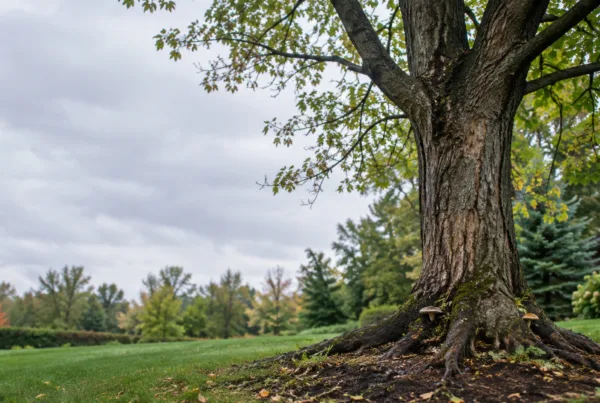
Picture a mature silver maple in a residential backyard. It has a co-dominant stem with bark trapped between the two trunks, which is a classic weak point. Reducing one stem early lets the other take over and lowers the odds of a split during an ice storm.
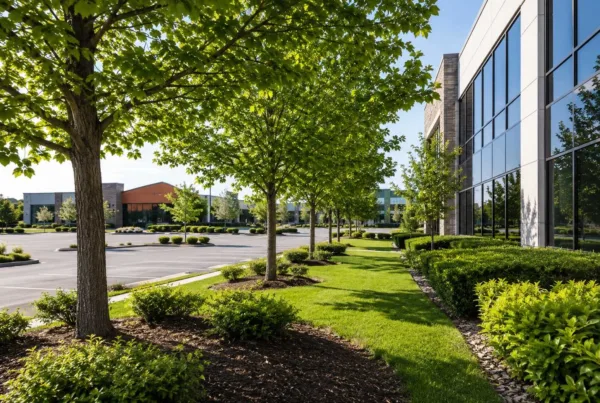
Commercial properties see the same pattern. A parking lot oak with deadwood over the driveway is a liability you can fix with one scheduled visit.
Timing: When Pruning Helps and When It Hurts
Late winter, while the tree is dormant, suits most species. You can see the branch structure clearly, and the tree has the whole growing season to seal its wounds.
A few exceptions matter in Ontario:
- Elms: Avoid pruning from April to September. Elm bark beetles that spread Dutch elm disease are most active then.
- Maples and birches: These “bleed” sap when cut in late winter. The sap loss rarely harms the tree, but pruning after leaf-out avoids the mess.
- Spring-flowering trees and shrubs: Prune right after they bloom, or you’ll cut off next year’s flowers.
- Hazards: Dead or dangerous limbs come off any time of year.
What Good Pruning Looks Like
Knowing the techniques helps you judge whether a job was done right, whether you did it yourself or hired it out.
Cuts That Protect the Tree
Make cuts just outside the branch collar, the slightly swollen ring where a branch meets the trunk. This is where the tree’s natural sealing chemistry sits. For larger limbs, use the three-cut method: an undercut, a top cut, then the final cut at the collar. This prevents the bark from tearing down the trunk.
Warning Signs of Bad Pruning
- Topping: Chopping the top off a tree triggers weak, fast-growing shoots and opens large wounds. Arborists consider it harmful.
- Flush cuts: Cutting into the trunk removes the collar and slows healing.
- Over-pruning: Removing more than about 25 per cent of the live crown in one season stresses the tree and weakens its defences.
- Wound paint: Research shows sealants don’t help and can trap moisture.
A Simple Pruning Schedule for Property Owners
Most established trees benefit from an inspection every one to three years. Fast-growing species and young trees need more frequent attention.
- Young trees (0–10 years): Prune annually to set structure.
- Mature trees: Inspect every two to three years for deadwood and hazards.
- After major storms: Check for cracked or hanging limbs right away.
Our tree pruning guide explains these techniques in more detail, including when a job calls for a certified arborist rather than a ladder and a hand saw.
Frequently Asked Questions
Can I prune my own trees?
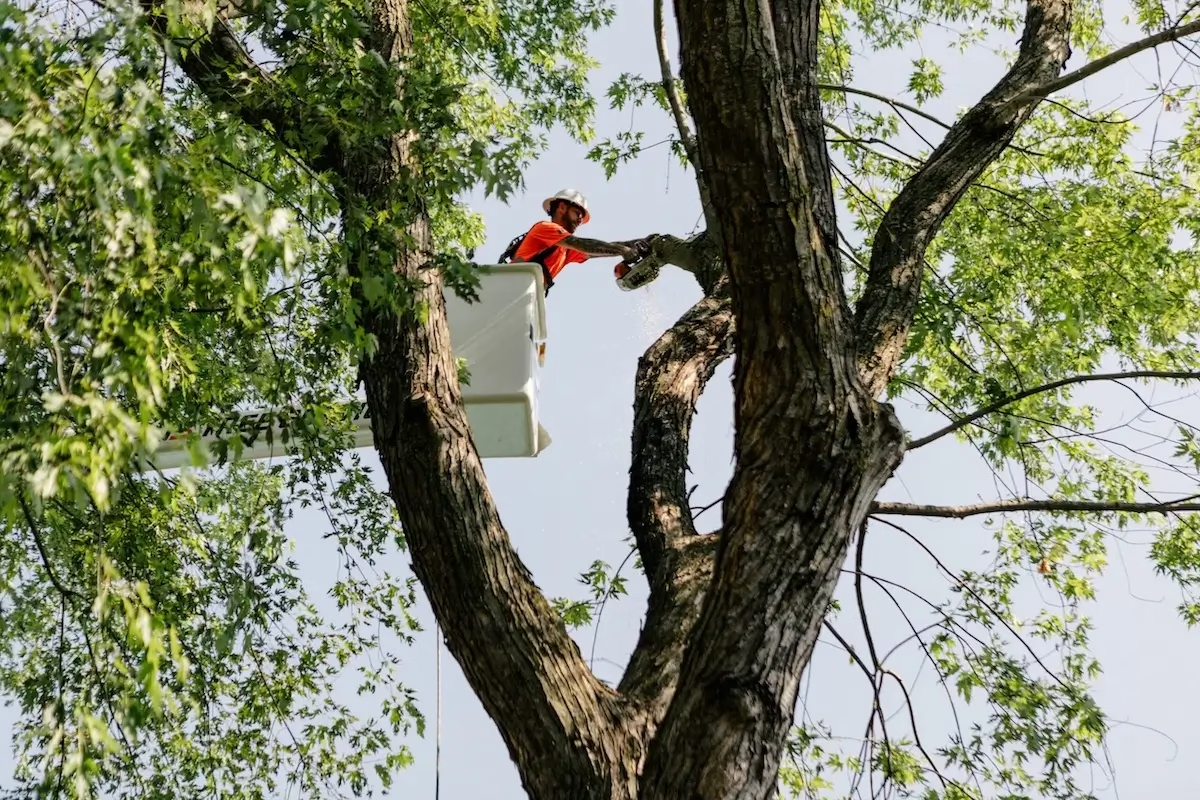
You can handle small branches at ground level with clean, sharp tools. Anything near power lines, or large enough that you’d need a ladder or chainsaw, belongs with a trained arborist. Falls and kickbacks cause serious injuries every year.
Does pruning kill a tree?
Done correctly, no. Poor timing, topping, or removing too much canopy can cause lasting damage, though.
How much does the tree health pruning process cost?
Cost depends on tree size, access, and the amount of work. Ask for a written scope that names which branches will come off and why.
Will my tree look bare after pruning?
Sometimes, especially after heavy deadwood removal. The tree fills in during the next growing season with healthier growth.
The Takeaway
Prune early, prune lightly, and prune for a reason. Remove dead wood, improve structure, and time your cuts to the species. Regular, careful work is what delivers the benefits of tree pruning, and it keeps small problems from turning into costly ones.
Got any more questions?
If so, ask us here directly at VS Tree, Ottawa’s tree services company any questions you may have. Or if you simply want to get started with a project, reach out to us today!