Trees are one of the most visible — and most overlooked — assets on a commercial property. When they’re healthy and well-maintained, they add curb appeal, provide shade, and signal to tenants and visitors that the property is professionally managed. When they’re not, they become a liability.
This guide breaks down seasonal commercial tree maintenance into practical, season-by-season actions so you can stay ahead of the work, protect your investment, and keep your property looking its best every month of the year.

Why Proactive Tree Care Pays Off for Commercial Properties
Most property managers deal with trees reactively — calling someone after a branch comes down or a storm causes damage. But that approach costs more in the long run.
A proactive schedule of commercial property tree care helps you budget predictably, avoid emergency callouts, and catch problems (disease, structural weakness, encroachment on infrastructure) before they become expensive. It also keeps you on the right side of municipal bylaws — especially important in Ottawa, where tree removal permits and tree protection by-laws can catch unprepared property managers off guard.
Spring: Assess, Prune, and Plan
Spring is your most important tree care window. After Ottawa’s harsh winters, trees need a thorough inspection before they fully leaf out.
What to prioritize in spring:
- Damage assessment — Look for cracks, split bark, broken limbs, and any leaning that wasn’t there before snowfall. Winter ice loads and freeze-thaw cycles do real damage.
- Dead wood removal — Dead branches are easier to spot before leaves appear. Removing them now prevents them from becoming projectiles in summer storms.
- Structural pruning — Shaping young trees in spring sets them up for decades of healthy, manageable growth. It’s far cheaper than corrective work later.
Spring is also the right time to have a certified arborist walk the property and flag any trees that need closer attention. On a large commercial site — a retail plaza, office campus, or industrial park — this kind of professional assessment gives you documented due diligence if any tree-related incident ever becomes a legal matter.
Summer: Monitor and Manage
Summer isn’t the most active season for tree work, but it’s definitely not a time to ignore your trees either.
Keep an eye out for:
- Signs of disease or pest activity — Unusual leaf discolouration, premature leaf drop, bark damage, or sawdust-like residue at the base of a tree can all signal serious problems. Catching these early makes treatment far more effective.
- Encroachment issues — Actively growing branches can push into signage, overhead utilities, or building facades faster than you’d expect. A mid-summer walkthrough keeps this in check.
- Irrigation and soil compaction — Commercial sites often have compacted soils from foot traffic and parking. If trees look stressed despite adequate rainfall, compaction may be the culprit.
Summer is also when tree pruning for clearance makes sense — keeping sightlines clear around entrances, parking areas, and security cameras.
Fall: Prepare for the Worst Before It Arrives
Fall is your last chance to set your trees up safely before Ottawa winter hits. Don’t skip this window.
Fall tree care checklist for commercial properties:
- Remove hazardous trees now — A structurally compromised tree is dangerous year-round, but ice and snow loads in winter dramatically increase the risk of failure. If an arborist has flagged a tree as a concern, fall removal is the smart call. Learn more about professional tree removal and what the process looks like.
- Cable and brace vulnerable trees — Large, mature trees with co-dominant stems or significant lean can often be preserved with proper structural support rather than removal.
- Mulch around the base — A 2–4 inch layer of mulch around the drip line insulates roots from freeze-thaw damage and retains moisture heading into dry winter conditions. Keep mulch away from the trunk to prevent rot.
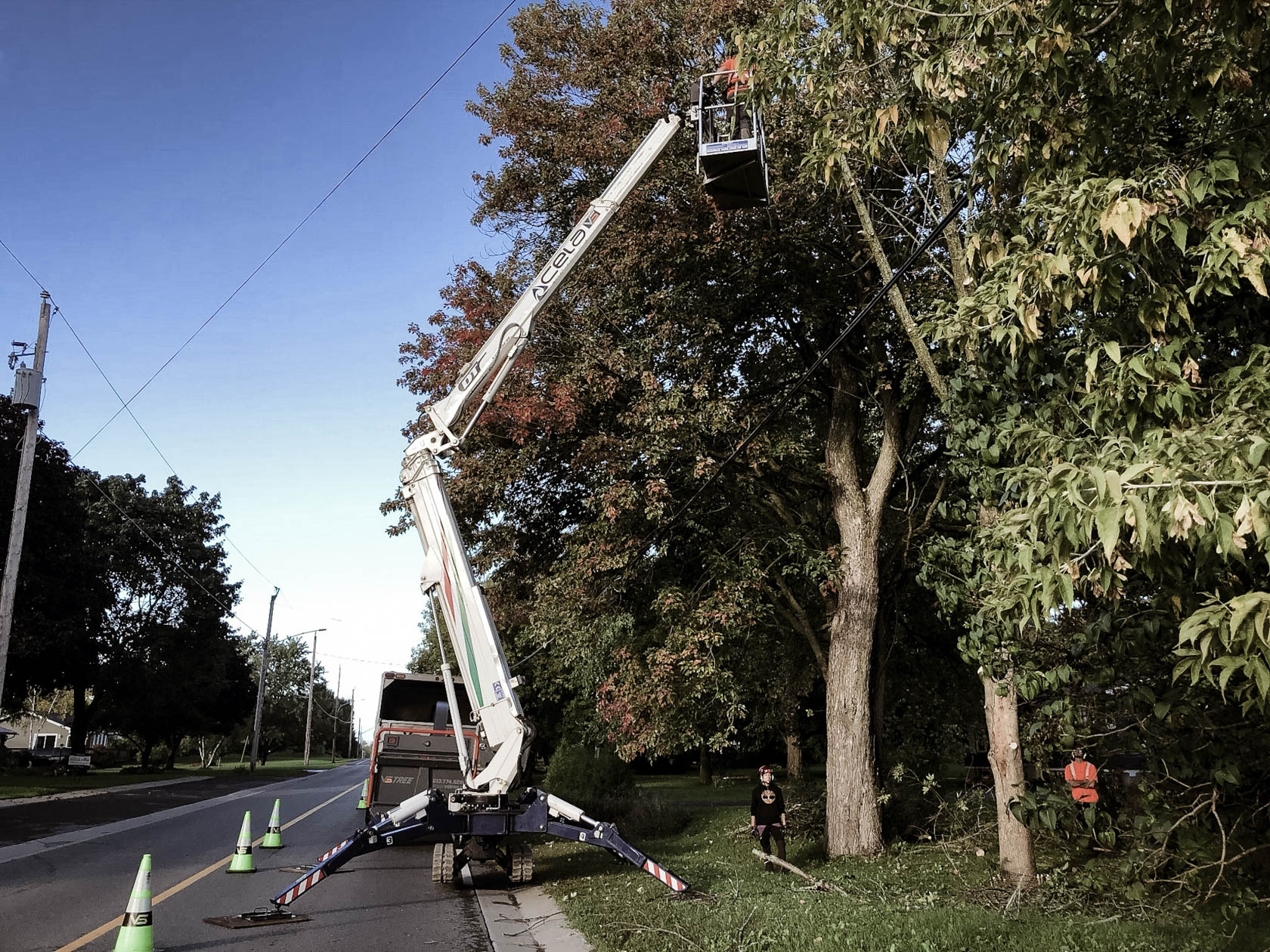
This is also the best time to schedule crane removals for large or technically difficult trees. Crane crews can access sites more easily before ground freezes, and the work can be planned without the time pressure of an emergency.
Winter: Emergency Readiness and Planning
Active tree maintenance slows in winter, but your responsibilities don’t disappear.
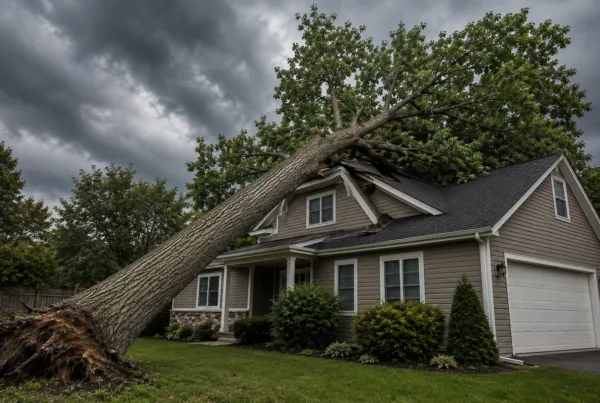
The biggest concern is storm response. Heavy snow, ice storms, and high winds can bring down branches or entire trees with very little warning. For commercial properties, this creates immediate liability exposure — especially in areas with pedestrian traffic, parked vehicles, or adjacent structures.
Make sure you have a relationship with a tree service provider that offers emergency response before you need one. Scrambling to find someone after a storm, when every crew in Ottawa is booked solid, is a stressful and avoidable situation.
Winter is also a productive planning season. Review your tree inventory, refresh your maintenance schedule, and get quotes in place for spring work while crews have more availability.
Building a Year-Round Seasonal Commercial Tree Maintenance Program
The most effective approach isn’t a one-off call when something goes wrong — it’s an annual maintenance agreement with a qualified arborist who knows your property.
A good commercial tree care partner will:
- Conduct documented annual inspections
- Provide written reports suitable for your risk management files
- Coordinate work around your tenants’ schedules and peak traffic periods
- Help you navigate Ottawa’s permit requirements when removal is needed
FAQ: Seasonal Tree Maintenance for Commercial Properties
Q: How often should trees on a commercial property be professionally inspected? At minimum, once per year — ideally in spring or fall. High-traffic properties with large, mature trees benefit from semi-annual assessments.
Q: Can I prune trees on my commercial property at any time of year? Most pruning can be done year-round, but late winter to early spring (before bud break) is generally ideal for structural work. Summer pruning for clearance is fine. Heavy pruning in fall can leave trees vulnerable to winter injury.
Q: Do I need a permit to remove a tree on a commercial property in Ottawa? Yes, in most cases. Ottawa’s tree protection by-laws apply to commercial properties, and permits are typically required for trees above a certain diameter. A qualified arborist can handle the permit process on your behalf.
Q: What’s the difference between a tree service and a certified arborist? A certified arborist has specific training in tree biology, risk assessment, and care standards. For commercial properties, working with ISA-certified arborists provides a defensible standard of care that matters if liability questions ever arise.
Ready to Build Your Commercial Tree Care Plan?
VS Tree works with commercial property managers across Ottawa and the surrounding region. Our certified arborists provide thorough site assessments, documented reports, and full-service seasonal maintenance — so you can check trees off your list with confidence.
Read More:
Got any more questions?
If so, ask us here directly at VS Tree, Ottawa’s tree services company any questions you may have. Or if you simply want to get started with a project, reach out to us today!