The tree is gone, but the stump isn’t. It sits in your lawn or at the edge of your parking lot, and every mower, snow shovel and visitor has to work around it.
When you weigh stump grinding vs stump removal, the decision comes down to one question: what do you plan to do with that spot? Grind the stump if you want a clear surface quickly. Remove it completely if you need the roots out of the way for construction.

What Stump Grinding Does (and Doesn’t Do)
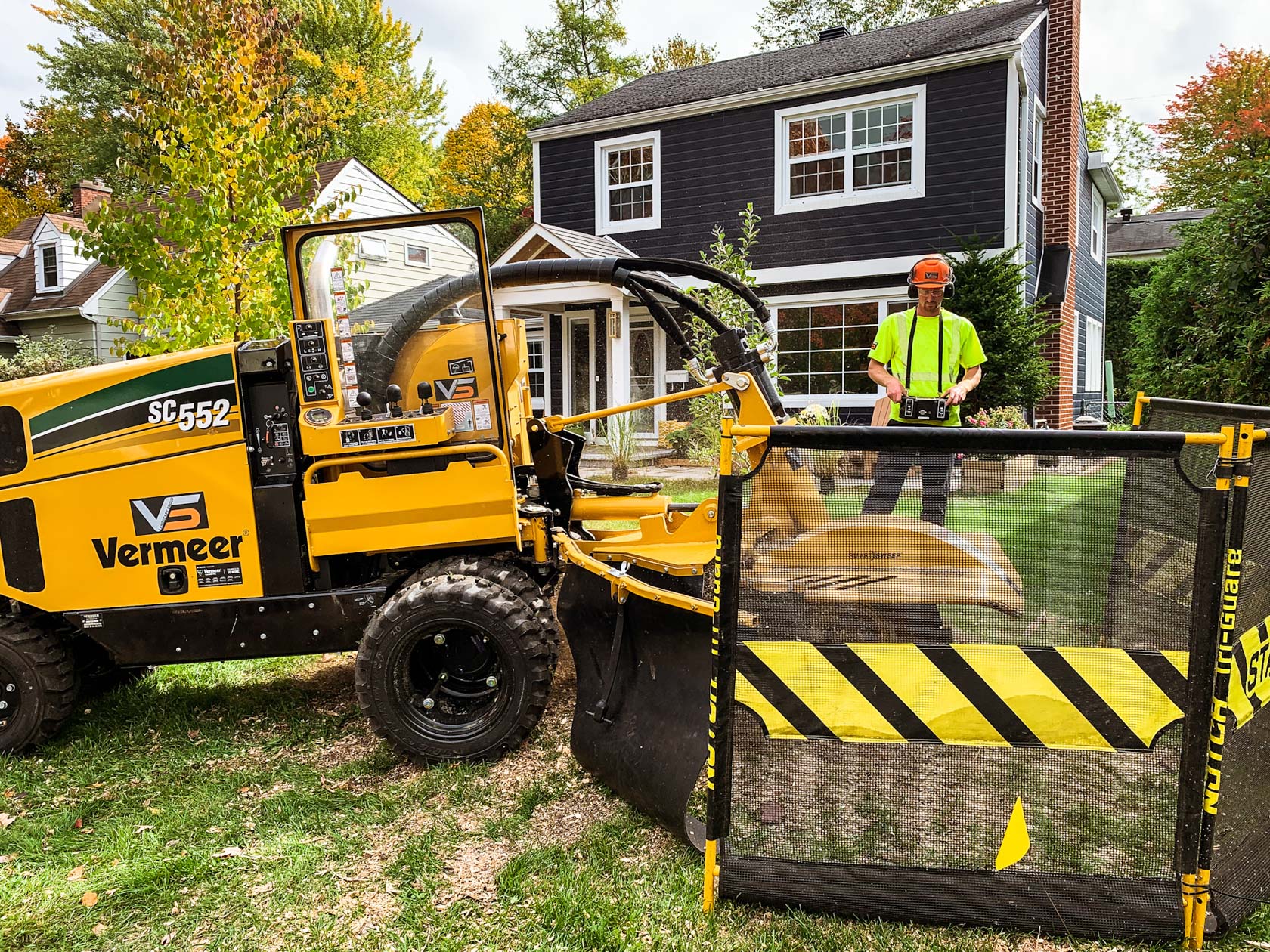
A stump grinder uses a spinning wheel with carbide teeth to chip the stump away in layers. Crews usually cut 15 to 30 cm (6 to 12 inches) below ground level. You’re left with a pile of wood chips mixed with soil.
The roots stay underground and decay slowly over several years. Because compact grinders fit through a standard backyard gate, the work causes little disruption to nearby gardens, fences and patios. You can learn more about how this works on our stump grinding and removal page.
When Grinding Is the Right Call
- You want your lawn back. Once you fill the hole with topsoil and seed, the area blends in within a season.
- Access is tight. A narrow side yard or a courtyard rules out an excavator but not a grinder.
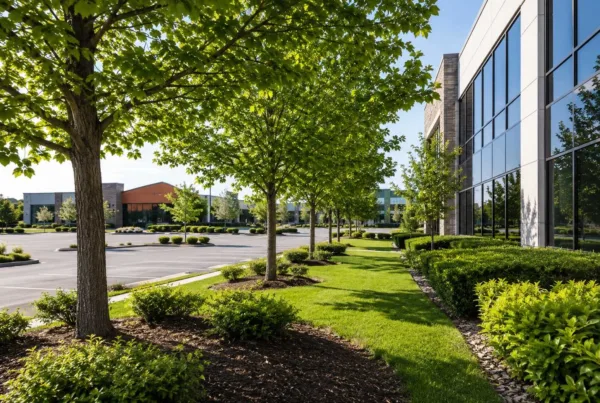
- You’re managing a commercial landscape. Stumps in planting beds, boulevards and parking islands are tripping hazards that grinding removes with minimal disruption.
- You’re on a budget. Grinding usually costs less because it needs no excavation, hauling or large-scale backfilling.
One caution: some species, such as poplar, sumac and certain maples, send up new shoots from leftover roots. If you’ve had suckers before, ask your arborist how to manage them.
What Full Stump Removal Involves
Full removal pulls out the stump and the main root mass. Crews typically dig around the stump with an excavator or backhoe, cut the structural roots and lift everything out. That leaves a large hole, which they fill with clean soil and compact in layers.
It’s more disruptive and more expensive than grinding. It also gives you a clean slate.
When Removal Is Worth the Extra Effort
- You’re pouring footings or a foundation for a deck, addition or garage.
- You’re installing a pool, septic bed or underground utilities in that spot.
- You’re paving the area. Decaying roots under asphalt or interlock can settle and leave dips.
- You’re regrading the site and need to reshape the soil.
Stump Grinding vs Stump Removal: How to Decide
Start with your plans for the next two to five years. A homeowner in Kemptville who wants to reclaim a backyard patch of grass is a clear candidate for grinding. A property manager adding an accessible ramp beside a former maple needs the roots gone, so removal makes more sense.
Access and budget also matter. Excavators need room to travel and a place to stage soil. If your site can’t accommodate one, grinding may be your only practical option. If you’re not sure, a site visit from a certified arborist will settle it quickly.
Other Stump Removal Methods
Crews aren’t the only route. These other stump removal methods exist, but each has trade-offs:
- Chemical rot accelerators: These products speed up decay, but they can take months, or years for large stumps. Keep them away from children, pets and waterways.
- Burning: Municipal fire bylaws often restrict it, and fire can travel along roots underground. It’s rarely a good fit for built-up areas.
- Natural decay: It costs nothing, but a rotting stump can take years to break down. Meanwhile, it can attract insects and stay a trip hazard.
- Hand digging: A mattock and a lot of effort can work for stumps under about 15 cm (6 inches) across. Beyond that, the work gets slow and risky.
Plan Around Utilities and Safety
Before any digging or grinding, request utility locates through Ontario One Call. Buried gas, hydro and communication lines are a real risk, and locates are free.
Tell your crew about irrigation lines, landscape lighting, invisible pet fences and drainage. Grinders throw debris, so keep people and pets well back. Commercial property managers should also confirm insurance coverage, working hours and who will manage pedestrian traffic around the work zone.
Frequently Asked Questions
Does stump grinding kill the roots?
Not directly. The roots stay in the ground and decay over time. Some species may resprout in the meantime.
Can I plant a new tree right after grinding?
Yes, but remove most of the wood chips and backfill with topsoil first. Fresh chips can tie up nitrogen that young plants need. Planting a short distance from the old stump location also helps.
How long does grinding take?
A typical residential stump often takes under an hour. Large stumps, wide root flares and multiple stumps take longer.
What can I do with the wood chips?
Spread them as mulch in garden beds, keeping them a few centimetres away from plant stems and trunks. You can also have the crew haul them away.
Read More
Got any more questions?
If so, ask us here directly at VS Tree, Ottawa’s tree services company any questions you may have. Or if you simply want to get started with a project, reach out to us today!